What Happens to 401(k) If You Move Abroad? 3 Options for Expats

POINTS
-
Moving abroad does not cancel your 401(k), but tax rules may change.
-
401(k) withdrawals abroad can be taxed by both the US and your new country.
-
Roth 401(k)s may lose certain tax advantages overseas.
-
Most expats cannot keep contributing without US employment income.
-
Early withdrawals can trigger taxes and IRS penalties.
-
Many expats roll old 401(k)s into IRAs for easier overseas management.
Moving abroad does not mean leaving your U.S. 401(k) behind, but it can affect how the account is taxed, managed, and accessed over time.
While a 401(k) can generally remain in place after you leave the United States, factors such as tax residency, withdrawal rules, and foreign tax laws may add complexity.
Before making changes to the account, it is important to review the options available and how they may affect your long-term retirement plans.
U.S. Tax Treaty Globe for 401(k) / Pension Research
Are You a U.S. Citizen/ Green Card Holder?
U.S. Citizens & Green Card Holders
For a U.S. citizen or green card holder, moving out of the country does not make your 401(k) vanish.
You still generally continue to be taxed by the U.S. on worldwide income, including 401(k) contributions and distributions, and the account remains yours.
The difference is that you are now dealing with
- Cross-border tax rules
- Foreign residency rules
..and whatever your new country does with retirement income.
Non‑U.S. Persons (Nonresidents)
If you were never a U.S. resident or have formally expatriated, you are treated as a foreign person for U.S. tax purposes.
It means withholding rules apply differently, and you are generally subject to 30% withholding unless you provide documentation of a reduced treaty rate (Form W‑8BEN).
Can You Keep Contributing to a 401(k) After Leaving?
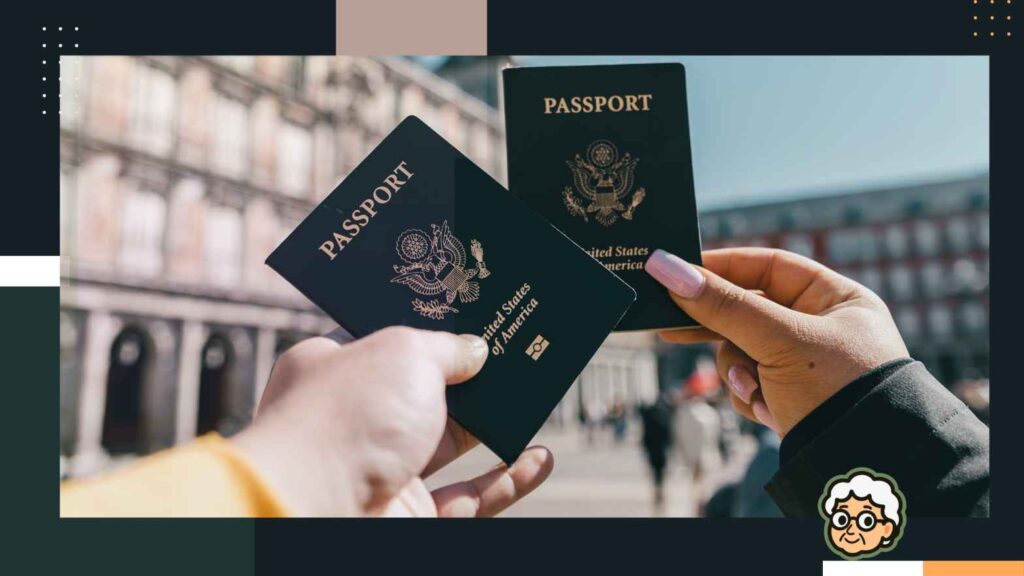
No, you cannot add to a 401(k) once you no longer have U.S.-sourced compensation.
A 401(k) is generally tied to U.S.-source wages from the sponsoring employer.
So if you are no longer on a U.S. payroll, contributions typically stop. If you are still on a temporary foreign assignment and remain on U.S. wages, you may still be able to contribute for a time.
But once you are fully working for a foreign employer or no longer receiving U.S. compensation, the contributions usually end.
How About IRAs?
IRAs are not much easier.
To contribute to an IRA or Roth IRA, you generally need taxable compensation.
If you are using the Foreign Earned Income Exclusion, that can leave you without taxable income that counts for IRA contribution purposes.
Many U.S. expats have no earnings eligible for IRA contributions once abroad. So, consider Roth conversions pre-move because they eliminate RMDs later and future growth/withdrawals are U.S. tax-free.
But, converting to a Roth can trigger significant U.S. tax, and your host country may not recognize the after‑tax status without a treaty election.
Keep, Roll Over, or Cash Out Your 401k?
When relocating, most expats face three choices.
1. Leave the money in the 401(k)
Nothing gets taxed immediately, and if the plan allows it, you may be able to leave everything alone.
The money stays tax-deferred, and you do not have to rush into a decision just because you moved.
The downside is that the account may be less flexible than you want.
Investment choices are limited to whatever the plan offers, and some plan administrators are not exactly expat-friendly.
So, if you are living overseas and need access later, the process can get annoying.
Still, if the plan is decent and you do not need the money, leaving it alone is often a perfectly reasonable move.
2. Roll it into an IRA
I have seen my fair share of expats struggling with this scenario, and most choose this option.
A direct rollover from a 401(k) into a traditional IRA is generally not a taxable event. It can give you more
- Control
- Investment choices, and
- Often, a cleaner setup if you plan to live abroad long-term.
That said, this path comes with its own headaches.
Not every U.S. brokerage wants to deal with people living overseas. Some firms are far more expat-friendly than others, and some may restrict new accounts once you move.
So the rollover itself may be easy, but the custodial side can be messy if you do not plan ahead. You need to be aware of that and plan ahead.
3. Cash it out
Please don’t opt for this unless you have no other choice or need the money badly.
This is usually the worst choice.
Yes, you get immediate access to the money.
But you also trigger ordinary income tax, and if you are under 59½, you may also owe the 10% early withdrawal penalty.
Depending on your country of residence, you could also face local tax on top of that.
By the time everything is done, a large chunk of the account may be gone.
Why the Account Is Not Reported Like a Foreign Asset
A U.S. 401(k) held with a U.S. financial institution is not treated like a foreign account just because you live abroad. It is not something you normally list on FBAR or Form 8938.
The account is still a U.S. retirement account.
401(k) Abroad FAQs
Generally no. Contributions stop once you lose U.S. payroll income. Only continued U.S. employment (e.g. foreign assignment on U.S. payroll) allows contributions. IRA contributions require U.S.-taxable income.
Yes, if you are a U.S. person. Withdrawals are taxed as ordinary income, plus a 10% penalty if early. Non-residents may face 30% withholding unless reduced by treaty, but reporting still typically applies.
Often yes. Many countries tax worldwide income, including retirement distributions. Tax treaties usually assign taxing rights to the country of residence with foreign tax credits to offset U.S. tax.
No. RMD rules still apply regardless of residence. Missing RMDs triggers penalties. Roth 401(k)s may have different rules depending on structure and rollover status.
No. A U.S.-based 401(k) is not a foreign account. FBAR and FATCA apply only to foreign financial accounts. Income withdrawals are still reported on Form 1040.
Yes. The rollover is allowed, but the converted amount is taxed in the U.S. as ordinary income. Local tax treatment may also apply depending on residency rules.
Distributions are generally subject to 30% U.S. withholding unless reduced by treaty using Form W-8BEN. Your country of residence typically taxes the income as well.
Most keep it or roll it into a U.S. IRA. Full withdrawals are rare due to tax and penalty costs. IRAs are preferred for flexibility and cross-border accessibility.
References:
- https://www.irs.gov/retirement-plans/plan-distributions-to-foreign-persons-require-withholding
- https://edale.co/non-us-residents-with-a-vanguard-usa-mutual-account/
- https://international.schwab.com/us-expat-investing