
Should I Cash Out My 401k Before Economic Collapse? Free Tool

POINTS
-
Early 401(k) withdrawals can trigger taxes and penalties.
-
Staying invested can help your savings recover after market declines.
-
Timing the market is rarely a successful long-term strategy.
-
Rebalancing your portfolio is often better than cashing out.
-
An emergency fund can reduce the need for early withdrawals.
-
Cashing out your 401(k) should usually be a last resort.
401(k) accounts are typically invested in a mix of stocks, bonds, and other assets that can lose value during periods of economic stress.
Cashing out a 401(k) before retirement can turn market declines into realized losses and may reduce the amount available for future retirement growth.
Early withdrawals may also trigger income taxes and additional penalties that reduce the amount received by the account holder.
If you face a genuine financial emergency, consider alternatives such as a 401(k) loan or a hardship withdrawal before cashing out your account. It’s also wise to consult a tax professional so you fully understand the potential tax and penalty consequences.
How Much Does A 401(k) Grow Per Year?
Wondering if your 401(k) is growing fast enough? See typical annual returns, what affects long-term growth, and simple ways to help your retirement savings grow faster over time.
Calculate Average GrowthAre There Taxes & Penalties on 401(k) Distributions?
Yes, distributions from a 401(k) are taxed as ordinary income, just like wages.
If you withdraw before age 59½, there is generally a 10% early withdrawal penalty on the taxable amount.
| Situation | Tax? | 10% Penalty? |
|---|---|---|
| Under 59½, normal withdrawal |
Yes
|
Usually yes
|
| Age 59½ or older |
Yes (Traditional 401(k))
|
No
|
| Age 55+ and separated from employer (Rule of 55) |
Yes
|
Usually no
|
| Direct rollover |
No current tax
|
No
|
| Roth 401(k) qualified withdrawal |
No
|
No
|
| Hardship withdrawal |
Usually yes
|
Depends
|
| RMD withdrawal |
Usually yes
|
No if taken correctly
|
Most employer plans are also required to withhold 20% of the distribution for federal income tax, and depending on where you live, state income tax may also apply.
Are There Exceptions to the Penalties?
Penalties can be avoided in certain cases. It allows penalty-free early withdrawals if you
- You leave your job at age 55 or older
- Total and permanent disability
- Death – distributions paid to beneficiaries
- Substantially equal periodic payments
- Certain military reservist distributions
- Qualified Domestic Relations Order made under a divorce-related court order
- Certain emergency, disaster, birth/adoption, and other special circumstances.
By the way, A hardship withdrawal does not automatically eliminate the 10% additional tax; it only may allow access under the plan rules.
401(k) Hardship Withdrawal Situations
- Medical expenses
- Purchase of a primary residence
- Tuition and education expenses
- Preventing eviction from a home
- Preventing foreclosure on a mortgage
- Funeral and burial expenses
- Repair of damage to a primary residence
- Expenses related to certain federally declared disasters
How Much Will You Lose on Compound Growth?
A 401(k) is designed to grow tax-deferred over decades.
Cashing out interrupts this process.
Every year out of the market can shave off significant long-term gains.
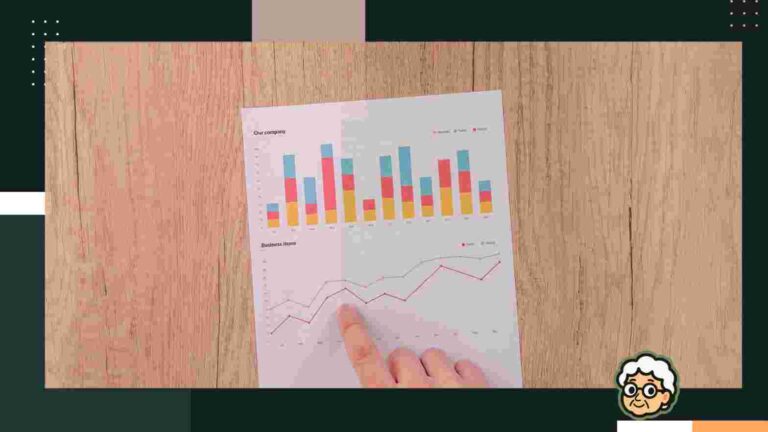
Missing just the 10 best trading days during that period reduced the annual return to roughly 5.6%. Missing the 20 best days reduced overall gains even further, eliminating more than 70% of the total return
In practice, this means that investors who sell during a market downturn and remain on the sidelines may miss the market’s strongest recovery days, significantly reducing their long-term investment growth.
The long-term cost of withdrawing early is enormous.
Even in severe crashes, historical data show markets tend to rebound strongly. Thus, if you sold at the bottom, you would miss the subsequent rally.
MKTS
U.S. Equity Bear Markets
Can You Time to Jump in and Jump Out?
Trying to get out before the crash and jump in at the bottom has always consistently failed.
Missing a few best days devastates performance.
Paradoxically, timing to avoid the worst days doesn’t help much either, because the best and worst days cluster tightly.
In fact, 6 of the 7 best days since 2004 came right after the worst days. So, an investor who sells when markets drop is almost certain to miss the biggest rebounds.
Some studies suggest that missing just the market’s 10 best trading days can cut long-term returns by roughly half. The evidence consistently shows that staying invested has historically produced better results than trying to time market highs and lows.
Are 401(k) Plans Protected During Crisis?
401(k) accounts are generally protected during employer or market crises.
By law, plan assets are held in trust, separate from the employer’s business.
If a company goes bankrupt,
- Creditors cannot touch the retirement trust
- Plan assets remain the workers’ property.
Therefore, even if an employer fails, your 401(k) investments stay intact. The only change may be that contributions/matches stop.
Blackout periods
Plans can temporarily suspend transactions for legitimate reasons.
You cannot trade, take loans, or withdraw during the window, but these must be disclosed 30–60 days in advance.
Such blackouts aren’t due to market crashes per se, but rather administrative changes.
Plan valuation and liquidity
In a crash, your 401(k) balance will drop with the markets, but it remains liquid in the sense that on normal trading days you can still move between funds or withdraw.
Instead, 401(k) investments are protected through ERISA fiduciary rules and investment disclosure requirements. While an economic downturn can reduce your account’s value, it does not automatically cause you to lose your 401(k) or make the account disappear.
Alternatives to Cashing Out
Before tapping retirement savings, consider these options:
| Option | Best when… | Main Benefit | Main Risk |
|---|---|---|---|
| Emergency savings | You need cash but can avoid retirement withdrawals | Protects retirement growth | Takes time to build |
| 401(k) loan | You need short-term funds and have stable employment | Avoids taxes/penalties if repaid | Job change can trigger repayment issues |
| IRA rollover | You leave an employer or want more investment choices | Keeps tax advantages | Requires managing investments |
| Reduce investment risk | Your concern is market losses, not cash needs | Avoids withdrawal taxes | Lower growth potential |
| Roth conversion | You have a long horizon and a market downturn | Future tax-free growth potential | Requires paying taxes now |
| Withdrawal/hardship | You have no better option | Immediate access to money | Can reduce retirement savings |
Tap liquid savings, use loans, or borrow before raiding retirement accounts.
I would recommend emphasizing that using non-retirement assets first, such as an emergency fund or taxable savings, maximizes long-term outcomes.
When Might Cashing Out Make Sense Vs When It’s Not?
Cashing out a 401(k) is almost always a last resort. But there are some possible scenarios where it might be justified, including:
Might Make Sense
- You have a serious financial emergency
- You need money to avoid losing your home or covering essential needs
- You have no other savings or alternatives
- You are paying off extremely high-interest debt
- You have a strong, carefully planned use for the money
- You understand the tax consequences and penalties
- You are near retirement and need a planned withdrawal strategy
- The withdrawal solves a bigger financial problem
Usually Doesn’t Make Sense
- You are worried about a possible economic collapse
- You are reacting to scary headlines or market news
- You are trying to “time the market”
- You are afraid of temporary market losses
- You are decades away from retirement
- You don’t want to pay taxes or penalties
- You are selling because you think a crash is coming
- You have not considered lowering investment risk instead
In every case, your withdrawals reduce future retirement security.
So, if you’re young and have decades to go, alternatives such as loans, delaying expenses, and part-time work are usually far wiser.
Cashing out at age 30–40 would erase the effect of many years of contributions and compounding.
How to Protect Your 401(k) from a Recession?
I feel like exiting the market seems like the easier option, but rather than exiting the market, you should consider these protective strategies:
1. Asset Allocation
First, choose a diversified mix of stocks, bonds, and cash appropriate to your age and goals.
Younger savers can generally weather more equity risk for higher expected returns, while near-retirees may shift to bonds or stable-value funds.
Many plans offer target-date funds that automatically become more conservative as you age.
2. Diversification
Don’t put all your eggs in one basket.
Within equities, diversify across
- U.S. and international stocks and sectors
- Bond exposure for stability.
If available, consider adding alternative assets like real estate, commodities, or a small cash buffer.
3. Automatic rebalancing
Use your plan’s tools or your own discipline to rebalance periodically.
Although it may feel counterintuitive, this “buy low, sell high” approach has historically helped investors stay disciplined and maintain their intended level of risk over time. Automatic rebalancing can make the process even easier.
4. Continue contributions
You should resist the urge to halt 401(k) contributions even in a downturn.
If you drop contributions, you not only forgo dollar-cost averaging benefits, but may miss out on company matching.
If you can afford it, I would recommend increasing contributions during market dips, which effectively buys at a discount.
5. Tax-loss harvesting (outside 401k)
While you can’t do tax-loss harvesting inside tax-deferred accounts, you can in taxable accounts.
If you hold similar stock or bond funds in an IRA and a brokerage account, you should consider using losses in taxable accounts to offset gains.
6. Stay informed but disciplined
Please avoid reacting to every market headline.
Panic decisions can be costly.
A well-designed financial plan, including an appropriate asset allocation and withdrawal strategy can help you stay on track. During market downturns, sticking to your long-term investment plan is often more effective than making emotional decisions.
401(k) Withdrawal & Safety FAQ
Yes. Keeping money in a 401(k) allows it to continue growing tax-deferred until you withdraw it.
A hardship withdrawal allows you to take money out for certain financial needs. The withdrawal may be subject to taxes and penalties depending on your situation.
A 401(k) loan must be repaid with interest, while a withdrawal does not. If you fail to repay a loan, it may become a taxable distribution.
You generally do not lose your 401(k). Plan assets are kept separate from company assets and remain protected for participants.
No. You can keep your investments during market downturns unless you need to withdraw money. Many investors choose to stay invested through market fluctuations.
Generally no. Most 401(k) investments, such as mutual funds and stocks, are not FDIC-insured.
No. RMDs are required starting at age 73 for most traditional retirement accounts. Earlier withdrawals are generally treated as regular distributions.
Not necessarily. While withdrawals after age 59½ avoid the early withdrawal penalty, taxes still apply and withdrawing too much can reduce future retirement income.
References:




One Comment