Does 401(k) Continue to Grow After Retirement? Test Withdrawal Impact Calculator

A 401(k) is often treated as a long-term retirement savings plan, but what happens to it once an individual retires?
After retirement, a 401(k) typically remains invested, meaning its value can still fluctuate based on market performance.
But continued growth is not guaranteed and depends on several factors, including withdrawals and required distribution rules.
Your 401(k) Doesn’t Stop Growing
A common assumption is that once you retire, your 401(k) kind of “pauses.”
It doesn’t.
Even without new contributions, the money you’ve already built continues to work in the background.
If your investments generate dividends, interest, or market gains, those earnings stay in the account and get reinvested.
401(k) Historical Returns Proxy: S&P 500 Annual Returns (1976–2025)
And that’s where compounding still does its thing.
Over time, those reinvested earnings can continue to grow the balance, just like they did before retirement.
The only difference is that now you’re no longer feeding new money into the system; you’re relying entirely on what’s already there.
Of course, returns aren’t guaranteed.
Some years will be better than others. But historically, markets have trended upward over long periods, which is why growth can still happen even after you stop working.
Market Returns, Dividends, and Compounding
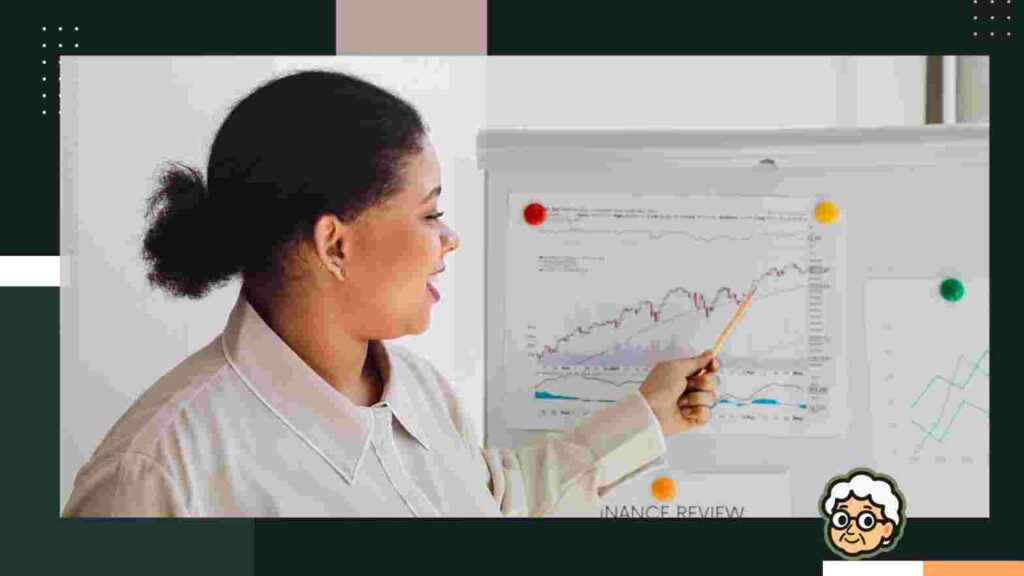
If markets go up, your 401(k) generally goes up. If they drop, your balance drops too. Dividends still get paid. Interest still accumulates. Everything continues to compound.
The only real difference is timing.
Let’s look at a demo of a $10,000 investment compounding over the years.
S&P 500 Annual Returns and Simple Compounding (1985–2025)
When you were working, downturns didn’t matter as much because you were still contributing. In retirement, you’re drawing from the account, which makes those ups and downs more noticeable.
Still, the core mechanism stays the same. Your balance grows (or shrinks) based on market performance and how long the money remains invested.
Impact of Withdrawals on Your 401(k)
Every dollar you take out reduces the amount left in the account. That might sound obvious, but the impact compounds over time.
A simple early-withdrawal simulator with taxes, penalty, contributions, match, and lost growth.
Inputs
Advanced assumptions
Growth comparison
Hover or tap points to compare yearly balances.
Detailed analysis
Years until retirement: 35
Estimated retirement impact
$6,630.00
Less money in the account means less money generating returns.
If you’re withdrawing regularly, especially during a market downturn, it can accelerate the decline. You’re essentially selling investments, sometimes at lower prices, to fund your expenses.
And once that money is out, it’s no longer part of the growth cycle.
That’s why withdrawal strategy matters so much. Smaller withdrawals give your portfolio more room to recover and grow. Larger withdrawals create more pressure on the balance, especially in the early years of retirement.
Can You Keep Your Money in a 401(k) as Long as You Want?
Even if you’d prefer to leave everything invested, you won’t be able to forever.
With traditional 401(k)s, the government eventually requires you to start taking money out.
Required Minimum Distributions (RMDs)
These are called required minimum distributions, and they typically begin in your early 70s.
Each year, you’re required to withdraw a certain percentage based on your age and account balance.
IRS Required Minimum Distribution Factors (Ages 73–120+)
By the way, remember those withdrawals are also taxable.
The important part is that these mandatory withdrawals gradually reduce your account, whether you need the money or not.
When a 401(k) Runs Out
You withdraw too much each year
This is the biggest reason. A withdrawal rate around 4% is usually designed to last a long time, but 6% to 10% can drain the account much faster.
For example, a $500,000 account with 8% withdrawals means about $40,000 a year. Depending on markets, that can run out in about 12 to 15 years.
Bad market timing early in retirement
If the market drops soon after you retire, you may be forced to sell investments at low prices while still taking withdrawals for living expenses.
That can cause lasting damage to the account.
Returns stay weak for too long
Even normal withdrawals can become a problem if the investments barely grow or take too long to recover after losses.
When the balance does not rebuild fast enough, the account can slowly get worn down.
Spending does not adjust when markets fall
A common mistake is keeping withdrawals and spending high even during bad years.
When spending stays fixed but the account drops, the drain gets worse.
You start too late, or with too little
If retirement begins with a small balance, or if the 401(k) has to cover everything by itself, even careful withdrawals may not be enough to make the money last for life.
Required withdrawals and taxes can speed things up
After a certain age, required minimum distributions can push people to withdraw more than planned.
Those withdrawals can also raise taxes, which may indirectly speed up depletion if spending does not adjust.
You withdraw too much each year
This is the biggest reason. A withdrawal rate around 4% is usually designed to last a long time, but 6% to 10% can drain the account much faster.
For example, a $500,000 account with 8% withdrawals means about $40,000 a year. Depending on markets, that can run out in about 12 to 15 years.
Bad market timing early in retirement
If the market drops soon after you retire, you may be forced to sell investments at low prices while still taking withdrawals for living expenses.
That can cause lasting damage to the account.
Returns stay weak for too long
Even normal withdrawals can become a problem if the investments barely grow or take too long to recover after losses.
When the balance does not rebuild fast enough, the account can slowly get worn down.
Spending does not adjust when markets fall
A common mistake is keeping withdrawals and spending high even during bad years.
When spending stays fixed but the account drops, the drain gets worse.
You start too late, or with too little
If retirement begins with a small balance, or if the 401(k) has to cover everything by itself, even careful withdrawals may not be enough to make the money last for life.
Required withdrawals and taxes can speed things up
After a certain age, required minimum distributions can push people to withdraw more than planned.
Those withdrawals can also raise taxes, which may indirectly speed up depletion if spending does not adjust.
One of the biggest risks here is timing. If the market drops early in retirement and you’re still taking withdrawals, it can have a much bigger impact than a similar drop later on.
This is often called sequence risk, but the idea is straightforward: bad timing plus steady withdrawals can drain a portfolio faster than expected.
That’s why two people with similar balances and similar returns can end up with very different outcomes depending on when those returns happen.
How You Invest in Retirement Still Matters
There’s sometimes a tendency to go ultra-conservative in retirement.
Move everything into bonds, avoid risk, protect what’s left.
The issue is that being too conservative can slow growth to the point where your money doesn’t keep up with inflation or withdrawals.
| Factor | Ultra-Conservative | Aggressive |
|---|---|---|
| Goal | Protect capital | Maximize growth |
| Stocks | 0–30% | 70–100% |
| Bonds/Cash | 70–100% | 0–30% |
| Risk level | Very low | High |
| Volatility | Minimal | High swings (±30–50%) |
| Expected returns | Low (inflation-level) | High (long-term compounding) |
| Crash impact | Small loss | Large drawdowns |
| Inflation protection | Weak | Strong |
| Income stability | High | Variable |
| Best for age | 75+ or capital preservation | Long retirement horizon / younger retirees |
| Behavioral stress | Low | High (requires discipline) |
| Main risk | Money loses value to inflation | Big losses + panic selling |
On the other hand, staying too aggressive can expose you to large swings at the wrong time.
Most people land somewhere in the middle. A mix of stocks for growth and bonds or cash for stability. Enough risk to keep the portfolio growing, but not so much that a downturn becomes devastating.
Inflation Quietly Chips Away
Even if your 401(k) is growing on paper, inflation can eat into that growth.
If your investments are earning 5% but inflation is running at 3%, your real growth is only about 2%. Over time, that difference matters more than most people expect.
It also affects how much you need to withdraw. What feels like enough today might not feel the same 10 or 15 years down the line.
That’s why growth still matters, even in retirement. You’re not just maintaining your balance, but you’re trying to maintain your purchasing power.
What If You Leave Your 401(k) Untouched?
If you retire and don’t touch your 401(k), it will continue to move with the market just like before. The investments stay active, the earnings get reinvested, and the balance fluctuates over time.
The only catch is that you still need to keep track of it.
Fees, allocation, required withdrawals, those don’t go away. In most cases, I tend to see that forgotten 401(k)s tend to underperform because they aren’t rebalanced or consolidated.
Strategies to Help Your 401(k) Continue Growing
There’s no single strategy that fits everyone, but a few things tend to make a difference.
Key Strategies
01
Stay invested
Keep a meaningful stock mix so your money can keep growing and outpace inflation.
02
Withdraw carefully
Avoid large withdrawals in weak markets so you do not lock in losses.
03
Use a cash buffer
Hold 1–3 years of spending in cash or short-term bonds for stability.
04
Rebalance regularly
Reset stocks and bonds back to target so risk stays under control.
05
Cut fees and taxes
Use low-cost funds and smart withdrawals so more stays invested.
Stay invested
Keep a meaningful stock mix so your money can keep growing and outpace inflation.
Withdraw carefully
Avoid large withdrawals in weak markets so you do not lock in losses.
Use a cash buffer
Hold 1–3 years of spending in cash or short-term bonds for stability.
Rebalance regularly
Reset stocks and bonds back to target so risk stays under control.
Cut fees and taxes
Use low-cost funds and smart withdrawals so more stays invested.
A 401(k) can continue to grow after retirement, but growth is not guaranteed.
Since the account remains invested, returns and reinvested income may increase its value over time. Withdrawals, taxes, and required minimum distributions reduce the balance.
The outcome depends on investment performance, withdrawal rate, and asset allocation.
In some cases, balances may grow or remain stable; in others, they decline depending on withdrawals and market conditions.