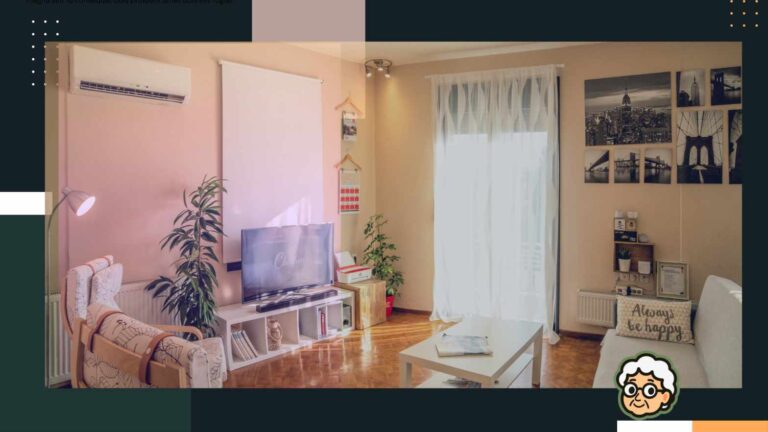
Retirement Home Franchise: 6 Best Senior Care Franchises to Own

Are you thinking about opening a retirement home franchise in the United States?
Owning a senior living business can be an attractive opportunity, especially as the country’s older population continues to grow.
But before you invest, you need to understand the different types of senior care franchises, how much they cost, and what it takes to operate a licensed residential care facility.
Some franchises help you operate licensed assisted living facilities, while others provide non-medical home care or senior placement services.
These are very different business models, with different startup costs, licensing requirements, and revenue potential.
What Are the Best Retirement Home Franchise Opportunities?
There are several franchise brands worth researching if you’re interested in entering the senior care industry.
However, remember that some of these companies operate licensed residential facilities, while others provide home-care or senior placement services.
Here’s how some of the available options compare:
Best Senior Care Franchises to Own


Note: Home-care and placement franchises are included for comparison. They do not operate licensed residential assisted living facilities.

Looking for a Business Opportunity After Retirement?
Retirement doesn’t have to mean giving up on business ownership. Explore franchise opportunities for retirees, including senior care businesses, and discover what to consider before investing in a new venture.
EXPLORE FRANCHISE OPTIONS FOR RETIREES →What Types of Senior Living Franchises Can You Own?
If you’re considering entering the senior care industry, you generally have three main business models to choose from.
1) Assisted Living and Residential Care Franchises
Basically, you operate a licensed residential facility where older adults live and receive assistance with daily activities.
Some franchises focus on converting residential houses into smaller assisted living homes with approximately 6–8 beds. Others support larger or multiple-home operations.
For example, Avendelle Assisted Living and New Life Assisted Living are facility-based franchise models.
The biggest advantage is that you’re operating a residential business with recurring revenue from residents.
But you’ll also be responsible for the property, staffing, licensing, inspections, and daily care operations.
2) Home Care Franchises
If you want to work in the senior care industry without operating a residential facility, a home-care franchise might be a better option.
Companies such as Home Instead, Comfort Keepers, and Amada Senior Care provide non-medical assistance to older adults in their own homes.
Services may include:
- Personal care and assistance with daily activities.
- Meal preparation and light housekeeping.
- Companionship and supervision.
- Transportation to appointments.
- Help with everyday household tasks.
Pros
- The biggest advantage is that you don’t need to purchase or convert a residential property into an assisted living facility.
Cons
- You’ll still need to recruit caregivers.
- You’ll still need to manage schedules.
- You’ll still need to find clients.
- You’ll still need to meet any applicable state and local requirements.
3) Senior Placement and Referral Franchises
Another option is to start a senior placement or referral business.
Companies like Assisted Living Locators and CarePatrol help families find suitable assisted living communities, memory care facilities, and other senior housing options.
Instead of operating a retirement home yourself, you connect families with care providers and earn revenue through referral arrangements.
This model generally has lower overhead because you don’t need to maintain a residential facility or employ a large team of caregivers.
But your success depends on building relationships with families, senior living communities, and local referral sources.
How Much Does a Retirement Home Franchise Cost?
Well, it depends heavily on the type of business you choose.
A small residential assisted living home can cost considerably less than a large, purpose-built senior living facility.
You’ll also need to account for franchise fees, property expenses, licensing, insurance, staffing, and working capital.
| Expense | Estimated Cost |
|---|---|
| Franchise fee | $25,000–$80,000 |
| State licensing | $500–$10,000 |
| Annual insurance | $3,000–$10,000 |
| Furnishings | $500–$2,000 per bed |
| Working capital | 6–12 months of expenses |
| Small rented residential home | $50,000–$150,000 |
| Purchasing or converting a house | $300,000–$800,000 |
| Large purpose-built assisted living facility | $2 million–$6 million |
Note: These figures are estimates, not guaranteed startup costs. Your actual investment will depend on your location, property condition, facility size, and state requirements.
What Are the Requirements to Open a Retirement Home Franchise?
Before you can accept residents, you’ll need to meet several federal, state, and local requirements.
Note:
Unlike some other franchise businesses, assisted living facilities are heavily regulated. Each state has its own licensing rules, staffing requirements, and safety standards.
1) Franchise Disclosure Document (FDD)
Before purchasing a franchise, you should carefully review its Franchise Disclosure Document, commonly called an FDD.
Franchisors must provide prospective buyers with an FDD containing 23 disclosure items.
These cover everything from initial fees and ongoing royalties to litigation, financial obligations, and other important business information.
You must receive the FDD at least 14 calendar days before signing a franchise agreement or making certain payments.
There are a few sections you’ll want to pay particular attention to:
- Item 6: Discloses other fees you’ll have to pay the franchisor.
- Item 7: Explains the estimated initial investment required to open the business.
- Item 19: Contains financial performance representations, if the franchisor chooses to provide them.
- Item 20: Provides information about current and former franchisees.
Now, here’s something worth remembering.
Not every franchisor provides earnings information in Item 19. If the section is blank, you shouldn’t assume the franchise will generate a particular amount of revenue or profit.
Instead, you should speak with existing and former franchisees to understand what it actually costs to operate the business and how long it takes to reach break-even.
Some states, including California and New York, also require franchisors to register their FDDs with state regulators.
2) State Assisted Living License
If you’re planning to operate an assisted living or memory care facility, you’ll need to obtain the appropriate license from your state.
There is no single federal assisted living license that applies across the United States.
Instead, each state establishes its own rules and determines what type of license a residential care facility needs.
3) Zoning and Building Codes
Once you’ve identified a potential property, you’ll need to make sure you can legally operate an assisted living business there.
And don’t assume that just because a property is a residential house, you can automatically convert it into a retirement home.
Some local governments classify assisted living facilities and group homes as special uses. This means you may need a conditional-use permit or special approval before opening.
You’ll also need to comply with applicable building, fire safety, and accessibility requirements.
These may include:
- Fire sprinklers and emergency exits.
- Accessible entrances and bathrooms.
- Appropriate doorway widths.
- Handicap-accessible rooms.
- Emergency notification systems.
- Safe kitchen and dining areas.
- Required resident room layouts.
For example, a house that looks perfectly suitable for six residents might require significant renovations before it meets local fire and accessibility codes.
That’s why I recommend speaking with local zoning officials and building inspectors before purchasing or leasing a property.
4) Insurance and Business Operations
Oh, and it comes with responsibilities that go beyond ordinary property management.
You’re providing care to older adults, which means you’ll need appropriate insurance to protect your business, employees, and residents.
Common coverage includes:
- General liability insurance.
- Professional liability or errors and omissions insurance.
- Workers’ compensation insurance.
- Property insurance.
- Other coverage required by your state or franchisor.
As a general estimate, liability and workers’ compensation coverage may cost approximately $3,000–$10,000 annually, although actual premiums depend on your location, facility size, staffing, and coverage limits.
You’ll also need written operating policies covering resident rights, privacy, complaints, medication procedures, and other requirements under state law.
5) Payroll and Labor Laws
For a residential assisted living facility, you’ll need employees who can provide appropriate care and supervision.
This means you’ll have to follow applicable federal and state employment laws such as:
- Minimum wages.
- Overtime payments.
- Employee classification.
- Anti-discrimination protections.
- Payroll taxes.
- Workplace safety.
- Workers’ compensation.
6) Medicare vs. Medicaid
Many prospective owners assume that government healthcare programs will cover a large portion of their residents’ expenses.
But that’s not how assisted living generally works.
Medicare does not pay for assisted living room and board.
| What is covered? | Medicare | Medicaid |
|---|---|---|
| Room and meals | Not covered | Not covered |
| Personal care (bathing, dressing) | Not covered as assisted living care | May be covered |
| Home health care | Covered if eligible | May be covered |
| 24/7 personal care | Not covered as assisted living care | Available in 29 states |
| HCBS waivers | Not applicable | Available in participating states |
| Facility admission | No general requirement | Only 10 states require certain facilities to accept new Medicaid residents |
How Do Retirement Home Franchises Make Money?
Most assisted living facilities generate revenue through monthly resident payments.
Let’s look at how this works.
1) Occupancy and Monthly Resident Rates
You can have a beautiful facility, qualified caregivers, and a great location, but if your beds aren’t occupied, you’re not generating the revenue needed to cover your expenses.
Assisted living rates generally range from approximately $4,500 to $6,500 per month per resident, depending on location and services.
2) Private Pay, Medicaid, and Other Payment Sources
Many assisted living facilities rely primarily on private-pay residents, meaning residents or their families pay for care directly.
Some facilities also accept Medicaid waiver payments for eligible care services.
But Medicaid reimbursement rates are generally much lower than private-pay rates. The estimates put some Medicaid waiver payments at approximately $1,500–$3,000 per month, depending on the services and program.
3) Staffing and Operating Expenses
Staff wages and employee benefits are typically the biggest operating expense for an assisted living facility.
Depending on the business, staffing may account for approximately 55–70% of revenue.
For example, a six-bed home might need multiple caregivers to provide coverage throughout the day and night. A two-caregiver schedule alone could cost approximately $6,300 per month, depending on wages and hours.
And that’s before accounting for other employees and operating expenses.
Other common expenses include:
- Rent or mortgage payments.
- Food and kitchen supplies.
- Electricity, water, and utilities.
- Insurance premiums.
- Property maintenance.
- Transportation.
- Administrative expenses.
- Franchise royalties and advertising contributions.
Pros and Cons of Owning a Retirement Home Franchise
Like any business, owning a retirement home franchise has advantages and drawbacks.
- Growing DemandAging population creates strong long-term demand for senior care.
- Franchisor SupportProven systems, training, marketing, and brand recognition reduce startup risk.
- Recurring RevenuePotential for stable resident income and access to SBA financing.
- Meaningful ImpactOpportunity to improve seniors’ quality of life.
- High Startup CostsFranchise fees, facility buildout, and 6–12 months of working capital can cost hundreds of thousands to millions.
- Strict RegulationsLicensing, inspections, and staffing requirements create significant compliance burdens.
- Staffing ChallengesRecruiting and retaining qualified caregivers is difficult, with high employee turnover.
- Ongoing FeesRoyalties (often 5–7%+) and advertising contributions reduce profit margins.
- Liability RisksFalls, neglect, and other care-related incidents require substantial insurance coverage.
- No Guaranteed ReturnsSuccess depends on execution, local demand, and financial feasibility—not franchisor projections.
How to Choose and Launch the Right Retirement Home Franchise
If you’ve decided that a retirement home franchise is worth pursuing, there’s quite a bit to do before you can welcome your first resident.
1) Choose Business Models
Before looking at individual franchise brands, take some time to determine what you actually want to operate.
Are you interested in running a
- Small six-bed assisted living home
- Managing a larger residential facility, or
- Starting a home-care business?
These models have very different financial and operational requirements.
You should also consider your experience, available capital, management skills, and willingness to work in the senior care industry.
If you’ve never managed a residential care business before, visit existing facilities and speak with operators to understand what daily operations actually involve.
2) Research Available Franchises
Once you’ve narrowed down your preferred business model, start comparing franchisors.
Look at their franchise fees, estimated startup costs, ongoing royalties, training programs, territory protections, and operational support.
Request a copy of each company’s Franchise Disclosure Document and pay particular attention to:
- Item 6 for ongoing fees.
- Item 7 for estimated initial investment.
- Item 19 for financial performance information, if provided.
- Item 20 for current and former franchisee information.
3) Speak With Current and Former Franchisees
Speak with people who already own or previously owned one.
And don’t limit yourself to the franchisees recommended by the franchisor.
Use the information in Item 20 of the FDD to contact current and former operators.
Ask questions such as:
How much did you actually spend to open the business?
“Were your startup costs higher than expected?”
What to look for
Ask which costs were underestimated, such as build-out, equipment, licensing, or working capital.
“How long did it take to reach break-even?”
What to look for
Compare their timeline with the franchisor’s projections in the disclosure document.
“How difficult was it to hire and retain caregivers?”
What to look for
Ask about turnover, wages, and how long it takes to fill open shifts.
“Does the franchisor provide useful ongoing support?”
What to look for
Look for specifics: training, marketing help, and how fast they respond to problems.
“Are the royalty and advertising fees worth paying?”
What to look for
Ask what the fees actually buy and how they affect take-home profit.
“Would you invest in the same franchise again?”
What to look for
Often the most telling answer. Pay attention to hesitation and ask why.
Talk to several current owners, not just those the franchisor recommends, and compare their answers with the franchise disclosure document.
4) Evaluate Your Territory and Local Market
Before investing in a franchise, make sure there’s enough demand for senior care services in your proposed area.
Look at the local population of adults aged 65 and older, existing assisted living facilities, competing senior care businesses, and potential referral sources.
These may include:
- Hospitals.
- Nursing homes.
- Rehabilitation centers.
- Healthcare professionals.
- Social workers and case managers.
- Senior centers.
You’ll also want to understand whether the franchisor offers an exclusive or protected territory.
A territory that’s too small or heavily saturated with competitors could make it harder to attract residents.
5) Research State Licensing and Local Requirements
Before signing a franchise agreement or committing to a property, contact your state’s health or aging agency to understand the licensing requirements.
Find out:
- Which license your facility needs.
- What qualifications the administrator must have.
- How many caregivers you’ll need.
- What training employees must complete.
- How long the application and inspection process may take.
- What safety and building requirements apply.
You should also contact local planning and zoning officials to confirm that your proposed property can legally operate as an assisted living facility.
6) Arrange Financing
Start by preparing a detailed business plan that includes your expected startup investment, monthly operating expenses, projected occupancy, resident rates, and estimated revenue.
If you’re considering an SBA loan, explore the available 7(a) and 504 programs.
And don’t forget about working capital.
You may need to cover payroll, rent, insurance, utilities, and loan payments before your facility has enough residents to generate sufficient revenue.
Having six to twelve months of operating reserves can help you manage this period.
7) Find a Suitable Property and Complete Renovations
After you have arranged financing, you’ll then need to secure a property that meets your franchise’s requirements and applicable state and local regulations.
This could involve purchasing an existing residential property, leasing a suitable house, or developing a larger assisted living facility.
Depending on the property, renovations may include:
- Fire sprinklers and safety systems.
- Emergency exits and accessible entrances.
- ADA-compliant bathrooms and living areas.
- Appropriate resident bedrooms.
- Nurse call systems.
- Kitchen and dining facilities.
- Other required safety features.
I’d recommend working with architects and contractors who have experience with healthcare or senior housing projects.
8) Hire and Train Your Employees
Depending on your business model and state requirements, this may include:
- An administrator or facility director.
- Registered or licensed nurses, where required.
- Caregivers and personal care aides.
- Kitchen and food service employees.
- Administrative staff.
9) Complete Licensing and Pre-Opening Requirements
While your property is being prepared and employees are being hired, you’ll need to complete the licensing process.
At the same time, start building relationships with local hospitals, senior centers, healthcare professionals, and referral partners.
These relationships can help families learn about your facility when they’re looking for senior care options.
10) Open Your Retirement Home and Monitor Performance
Once you’ve completed the licensing process, passed the required inspections, and finalized your staffing and operating arrangements, you’re ready to open.
Consider organizing a grand-opening event and inviting local healthcare professionals, referral partners, community members, and families.
After opening, you’ll need to pay close attention to your business performance.
Track important numbers such as:
- Occupancy rates.
- Monthly resident revenue.
- Staffing expenses.
- Employee turnover.
- Food and utility costs.
- Franchise royalties.
- Marketing expenses.
- Monthly operating profit.
Likewise, if staffing expenses are eating into your margins, you’ll need to review your scheduling and operating procedures without compromising resident care.
The first year can be particularly challenging, so make good use of your franchisor’s support and stay connected with other franchise owners.
So, should you enter this business model?
I would personally advise that it’s not a business you should enter without knowing the financial and regulatory responsibilities.
Whether you choose a small assisted living home, a larger residential facility, or a home-care franchise, it is more complicated than a regular franchise in other industries.
But the more thoroughly you prepare before opening, the better positioned you’ll be to manage the challenges and build a sustainable senior care business.
Good luck with it.