
How to Cash an Inheritance Check: Steps, Requirements & Fees

POINTS
-
You can usually cash an inheritance check if it is payable to you and you have valid ID.
-
Estate checks require special handling by the executor or personal representative.
-
Large checks may have a bank hold before funds become fully available.
-
Most inheritances are not federal taxable income to the beneficiary.
-
Banks may refuse questionable checks because of errors or suspected fraud.
-
Verify the check before spending to avoid fake check scams.
An inheritance check can be cashed or deposited when it is properly payable to the recipient.
The name listed on the check determines who can negotiate it and may affect how a bank handles the transaction.
How Are Inheritance Checks Mailed?
Find out how inheritance checks are sent, whether they’re tracked, and what to expect when your check is mailed.
See How Inheritance Checks Are MailedCan You Cash an Inheritance Check at a Bank?
Yes, you can cash an inheritance check at a bank, but whether they will cash it immediately depends on the bank’s policies and how the check is made payable.
| Situation | Can You Cash It? | What to Expect |
|---|---|---|
| Check Is Payable Directly to You |
Usually
|
You’ll generally need government-issued photo ID. |
| You Have an Account at the Bank |
Usually
|
You can usually deposit the check or ask about cashing it. |
| Check Is Drawn on the Bank You’re Visiting |
Often
|
The bank may cash it if you meet its requirements. |
| You Don’t Have an Account at the Issuing Bank |
Maybe
|
The bank may refuse or charge a fee. |
| Check Is Payable to “Estate of [Deceased]” |
Not Personally
|
It generally needs to be handled by the executor or administrator. |
| Check Is Payable to the Deceased Person |
Not Directly
|
It generally needs to be processed through the estate. |
| Check Is for a Large Inheritance Amount |
Usually Deposit
|
The bank may place a hold before all funds are available. |
A bank or credit union is not legally required to cash a cheque for you if neither you nor the payer has an account there.
But if the cheque is drawn on that bank and there are sufficient funds, and you present proper ID, the bank must cash it.
Most banks will cash a cheque for the payee if you meet these conditions:
- The issuer has enough balance,
- The cheque is recent, and
- You show valid government ID.
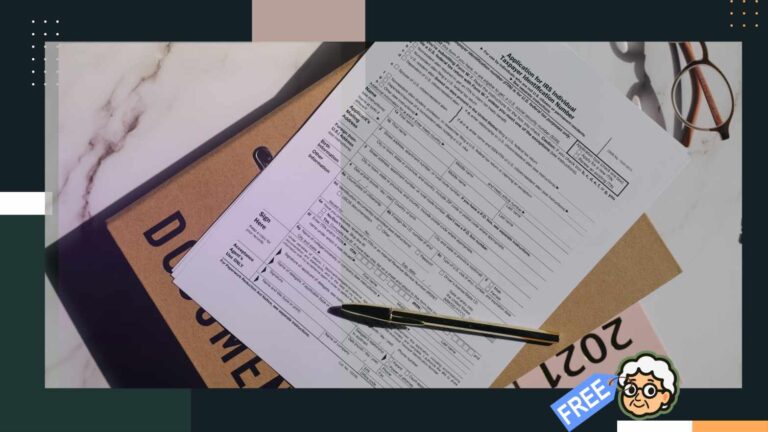
What Does an Inheritance Check Look Like? See What to Look For
What You Need to Cash or Deposit an Inheritance Check
Identification and endorsement
You need valid ID
- Driver’s licence
- Passport, etc.
If you have a bank account, depositing into your account usually just needs endorsement with a signature on the back and ID.
But if it is cashed at the drawee bank, you must be the named payee and show government‐issued photo ID.
Documents for estate or probate
If the cheque is payable to a deceased person’s estate or to someone who has died, you need legal authority to endorse or deposit it.
This usually means:
- A certified death certificate and
- Proof of your authority (e.g., letters testamentary or letters of administration appointing you executor/administrator).
Small-estate affidavits
If the estate is small, some states allow an affidavit procedure instead of full probate.
In that case, a small estate affidavit signed under oath by a beneficiary may be sufficient.
Trust documents
If you inherit via a trust, you need to present the trust instrument or a trust certificate showing you are authorized.
Banks will also require listing of the trust name and trustee, and will deposit the funds into a trust account or payable to the trustee.
Step-by-Step: How to Cash an Inheritance Check
Use the simple steps below to safely deposit or cash your inheritance check.
| Step | What to Do | What You Need | Notes |
|---|---|---|---|
| 1 | Check the payee | Original check | Make sure the check is payable to you. If it says “Estate of…,” contact the executor instead. |
| 2 | Verify the check | Estate/probate information | Confirm it with the executor, attorney, or issuing institution before depositing it. |
| 3 | Call your bank | Check amount | Ask whether the bank will cash the check or requires you to deposit it. |
| 4 | Gather documents | Photo ID + inheritance documents | A large check may require additional documentation. |
| 5 | Deposit the check | Original check | For a large inheritance, depositing with a teller is often the simplest option. |
| 6 | Ask about the hold | Deposit receipt | Ask when the funds will actually be available. Federal funds-availability rules can allow longer holds in certain circumstances, including large check deposits. |
| 7 | Wait for funds to become available | — | Don’t immediately spend or transfer money you may not yet be able to safely withdraw. |
| 8 | Withdraw cash if needed | ID | For a large cash withdrawal, ask the bank whether advance notice is required. |
| 9 | Keep your records | Check copy, receipt, estate paperwork | Keep everything related to the inheritance in case you need it later. |
| 10 | Review tax requirements | Estate/tax documents | The tax treatment depends on what you inherited and applicable federal/state rules. |
Once you’ve completed these steps, keep your records and make sure the funds are available before you spend or withdraw them.
Where Can You Cash an Inheritance Check?
| Where | Pros | Cons | Typical Fee |
|---|---|---|---|
| Your bank | Safe; convenient; usually free | Holds may apply | $0 |
| Drawee bank | May cash immediately if you have an account | May refuse noncustomers | $0–fee |
| Credit union | Usually low-cost for members | Fewer locations | Usually $0 |
| Check-cashing service | Fast; no account needed | High fees | Often 2–5%+ |
| Post Office | Cashes certain government checks and USPS money orders | Doesn’t cash ordinary personal checks | Usually $0 for eligible items |
| Mobile deposit | Very convenient; deposit anytime | Holds and limits may apply | Usually $0 |
If you have a bank or credit union account, depositing or cashing your check there is usually the lowest-cost and safest option.
If you don’t have an account, the bank that issued the cheque may cash it, but it can require ID, have eligibility requirements, or charge a fee.
Check-cashing services are convenient but can be expensive, so compare the fee before using one.
What If the Check Is Made Out to the Estate?
If the cheque is payable to the estate, you cannot endorse it as a personal deposit.
It legally belongs to the estate.
The executor or administrator must endorse it on behalf of the estate. Typically, the executor should open an estate bank account and deposit it there.
What you may need:
- Proof of your identity
- The death certificate
- Court-issued Letters Testamentary, Letters of Administration, or similar proof of appointment
- An estate bank account, depending on the bank and the circumstances
How Long Does an Inheritance Check Take to Clear?
| Deposit Type | Typical Availability |
|---|---|
| Regular check | 1–2 business days |
| Large check ($6,725+) | Up to ~7 business days for the amount above $6,725 |
| Cashier’s / certified check | Usually next business day |
| New account (<30 days) | May take longer — potentially up to 7–9 business days |
| Bank suspects a problem | Longer hold may apply |
If deposited via ATM or mobile, the schedule is similar, but banks may treat it as an “other channel” and hold funds for two extra business days.
Banks may impose longer holds if you are a new customer (<30 days), if the cheque is unusually large, or if there is suspicion of fraud.
Banks must give you a hold notice if they delay more than one business day. Check holds also apply to inheritance cheques: they are not exempt.
Are Inheritance Checks Taxable?
An inheritance cheque is generally not taxable as federal income when you receive it.
| Inheritance | Taxable to You? | What to Know |
|---|---|---|
| Cash inheritance/check | No | Generally not federal taxable income |
| Inherited bank account | No | The inherited amount itself generally isn’t taxable |
| Interest earned afterward | Yes | Interest you earn after inheritance is generally taxable |
| Inherited stocks | No, when received | Future dividends/gains may be taxable |
| Inherited property | No, when received | Tax may apply if you later sell it for a gain |
| Inherited IRA/401(k) | May be | Distributions can be taxable depending on the account |
| Federal estate tax | Usually no | Generally applies to the estate, not simply to the beneficiary |
| State inheritance/estate tax | Depends | Rules vary by state |
An inheritance check is generally not taxable federal income when you receive it.
However, income earned from the inherited money or assets afterward, such as interest, dividends, or certain capital gains, may be taxable.
Cashing an Inheritance Cheque FAQs
Yes, you may be charged a fee, or the bank may refuse to cash the cheque. Depositing it into your own bank account is usually the better option.
Generally, both payees must endorse a cheque made payable to “A and B,” while either payee can usually endorse one made payable to “A or B.”
Generally, no, a minor cannot endorse a cheque alone; a parent or legal guardian usually must sign on the minor’s behalf.
Possibly, but banks may require the original or certified Power of Attorney and may have additional requirements. The executor can usually handle the cheque if the estate is already in probate.
Deposit it into the trust’s bank account and endorse it as the trustee, following the bank’s requirements.
Contact the issuer promptly to request a stop payment and replacement cheque. You may need to complete an affidavit of loss or similar form.
The bank may refuse a cheque that is more than six months old, so ask the issuer to provide a replacement.
Yes, you can try the bank that issued the cheque or a check-cashing service, although fees may apply.
No, you generally cannot cash it personally. The executor should deposit it into the estate account and distribute the funds according to the estate’s instructions.
No, an inheritance generally isn’t taxable income, so you don’t report the inherited amount itself. Any income it later generates, such as interest, may be taxable.



2 Comments