
How to Reduce Bad Debt at Apartment Communities: 6 Strategies

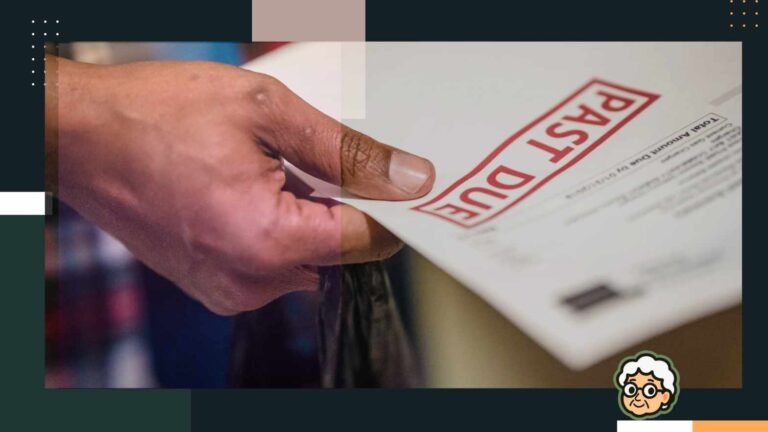
Bad debt is rent that an apartment owner is unlikely to collect.
It usually begins as a late payment, but if the balance remains unpaid, it can eventually become a permanent loss.
For multifamily property owners, it reduces cash flow, lowers net operating income, and can affect the property’s value.
How Much Does a Retirement Home Cost?
Compare typical retirement living expenses, understand what monthly fees may include, and explore the costs to consider before choosing a community.
Compare Retirement Costs
What Is Bad Debt in Apartment Communities?
Bad debt and rent delinquency are related, but they are not the same thing.
| Category | Rent Delinquency | Bad Debt |
|---|---|---|
| Status | Rent is overdue. | Payment is unlikely to be collected. |
| Example | Tenant has not paid rent on time. | Former tenant owes rent that is unlikely to be recovered. |
| Accounting | Recorded as outstanding rent in accounts receivable. | May be written off as an expense. |
| Key Point | Late payment; money may still be recovered. | Uncollectible amount; money is likely lost. |
Suppose an apartment community charges $1,500 in monthly rent. A tenant misses the payment deadline, leaving the property with a $1,500 delinquent balance.
If the tenant pays the following week, the property recovers the rent. But in case the tenant moves out without paying and the balance cannot be recovered, some or all of that amount may eventually become bad debt.
Why Are Rent Delinquencies and Bad Debt Increasing?
Rent collection weakened during the pandemic, and affordability pressures have continued to affect many renters.
1. Rent collection fell during the pandemic
The NMHC Rent Payment Tracker reported that 95.9% of apartments had paid full or partial rent by the sixth day of the month in 2019. By December 2021, that figure had fallen to 92.0%.
In April 2020, approximately 69% had paid by the sixth day, although many tenants caught up later in the month.
By the way, a lower early-month collection rate does not necessarily mean that all unpaid balances will become bad debt.
- Some tenants pay later
- Others need payment arrangements.
But the longer a balance remains outstanding, the harder it may become to recover.
2. Housing costs leave less room for missed income
When rent takes up a large share of a household’s income, trust me, even a temporary financial setback can make it difficult to pay on time.
So, tenants with little money left after paying housing costs may have limited ability to absorb job losses, medical expenses, higher utility bills, or unexpected debt payments.
3. Unpaid rent can accumulate quickly
By the way, not every tenant who misses a payment will default permanently.
Some recover financially and repay their balances.
Persistent arrears are more concerning because they can lead to eviction proceedings, additional collection expenses, and eventual write-offs.
4. Market conditions can make collection more difficult
Property owners continue to face other challenges, including inflation, financing costs, and changing supply and demand.
When a market has excess apartment supply, managers may feel pressure to fill vacant units quickly.
If they lower screening standards to maintain occupancy, they may accept applicants with a greater likelihood of falling behind on rent.
In markets with limited housing, rising rents can put additional pressure on lower-income households.
So, either situation affects collections.
How Can Apartment Owners Prevent Bad Debt?
1. Screen Applicants Carefully
This is a no-brainer, but screening is the first opportunity to identify potential payment risks. Once a tenant has moved in, collecting overdue rent can become more difficult and expensive.
Property managers can strengthen their screening process in several ways.
- Verify income. Verify income through appropriate documentation, such as employer records or bank statements.
- Review credit history. Credit reports and payment histories can help identify recent delinquencies, bankruptcies, or other financial warning signs.
- Check rental history. Contact previous landlords when appropriate to ask about payment patterns, lease compliance, and outstanding balances.
- Verify identity and documents. Review identification and supporting records for inconsistencies.
- Apply a written screening policy. Document the property’s income requirements, credit criteria, acceptable documentation, and procedures for exceptions.
Of course, you can’t just screen as you like; policies must comply with fair housing requirements and other applicable restrictions.
2. Make lease terms clear
A well-written lease gives tenants a clear understanding of when rent is due, what happens if they pay late, and how unpaid balances will be handled.
| Provision | What to Include |
|---|---|
| Rent Due Date | Monthly due date, payment deadline, and grace period. |
| Late Fees | Fee amount or calculation, when it applies, and legal limits. |
| Returned-Payment Fees | Permitted fee for a bounced cheque or failed payment. |
| Payment Arrangements | Whether written payment plans are available for overdue rent and their conditions. |
| Electronic Payments | Accepted payment methods, transaction fees, and fee-free options. |
| Security Deposits | Permitted deductions, return deadline, and itemized accounting after move-out. |
| Rent Reporting | Whether rent payments are reported to credit agencies and any required tenant authorization. |
| Other Charges | Tenant-paid utilities, additional fees, and how they are billed. |
Also, do not assume that a fee is enforceable simply because it appears in the lease. Some jurisdictions limit late fees or impose specific requirements on how they must be disclosed.
3. Create written policies for overdue rent
A written policy should explain when reminders are sent, when permitted fees are applied, who contacts the tenant, when payment plans can be considered, and when a matter must be escalated.
For example, for your property, you might use the following internal process:
- Before rent is due: Send an automated reminder with the payment deadline and available payment methods.
- After the due date: Check the account, confirm whether payment is pending, and send a past-due reminder.
- After the applicable grace period: Apply any lawful lease-authorized fee and send the required notice.
- If the balance remains unpaid: Contact the tenant, evaluate any request for assistance, and consider a documented payment arrangement.
- If the account remains unresolved: Obtain legal guidance and follow the jurisdiction’s requirements for any formal demand or eviction proceeding.
These are just operational examples.
For former tenants, use a move-out inspection checklist to:
- Document property condition
- Photograph damage, and
- Record the basis for any permitted deductions or additional charges.
4. Offer convenient payment options
A secure tenant portal can allow residents to
- View their balances
- Make payments
- Schedule transactions, and
- Receive reminders.
And depending on the system, tenants may be able to pay by bank transfer, electronic check, or card.
5. Follow a consistent rent-collection timeline
I just created a demo of an internal workflow you can use, but personalize it as you need.
But it must be adapted to the lease, the property’s policy, and applicable law.
| Timing | Recommended Action |
|---|---|
| Before rent is due | Send a reminder and confirm payment methods. |
| Days 1–5 overdue | Check unpaid rent, contact the tenant, and apply only lawful fees. |
| Around Day 10 | Review the balance, document contact, consider a payment plan, and issue any required legal notice. |
| Days 15–20 overdue | Check legal requirements and prepare for further action if needed. |
| Day 20 onward | Take lawful collection or court action if appropriate. Keep records of all payments and communications. |
A landlord must not wait until one of these suggested days to issue a legally required notice if the law requires earlier action, nor may the landlord begin eviction before satisfying the applicable requirements.
6. Manage former-tenant debt promptly
Once a tenant moves out, any unpaid rent and damage charges can become harder to collect.
You need to already have a clear move-out process to help preserve documentation and identify the amount that may still be recoverable.
| Step | Recommended Action |
|---|---|
| 1. Inspect the Unit | Take photos, record the condition, and separate damage from normal wear and tear. |
| 2. Settle the Security Deposit | Make only lawful deductions, provide an itemized statement, and return any remaining deposit on time. |
| 3. Confirm Forwarding Address | Obtain the tenant’s updated address for sending statements and notices. |
| 4. Calculate the Balance | Add unpaid rent and lawful charges, subtract credits and deposits, and keep supporting records. |
| 5. Send a Written Demand | Explain the amount owed, how it was calculated, and how to pay. Follow legal requirements. |
| 6. Consider Legal Action | Explore small claims court, other permitted legal proceedings, or mediation. |
| 7. Consider Debt Collection | If payment remains outstanding, assess a qualified collection agency’s fees, licensing, and legal obligations. |
How Can Property Management Software Reduce Bad Debt?
Property management software can help apartment operators identify overdue balances, automate routine communications, and monitor collection performance.
Platforms such as Yardi, RealPage, AppFolio, Buildium, ResMan, MRI, Entrata, and Rent Manager offer various property management and accounting features.
-
Top pick
Yardi
EnterpriseLarge multifamily portfolios and enterprise operators.
- Delinquency visibility
- Integrated accounts receivable and general ledger
- Rent collection
- Custom reporting
- Portfolio dashboards
-
RealPage
IntegratedLarge apartment operators seeking integrated multifamily workflows.
- Resident payment management
- Property operations
- Accounting workflows
- Portfolio-level performance monitoring
-
AppFolio
GrowingGrowing residential property management businesses.
- Online rent payments
- Resident communication
- Accounting automation
- Payment tracking
- Reporting
-
Buildium
Small–midSmall to midsize property managers.
- Online rent collection
- Resident ledgers
- Automated bookkeeping
- Bank reconciliation
- Property-level financial reporting
-
ResMan
CollectionsMultifamily operators focused on receivables and collections.
- Automated accounts receivable workflows
- Collections support
- Recurring charges
- Audit trails
- Financial reporting
-
MRI Software
ComplexOperators with complex portfolios and integration requirements.
- Property accounting
- Receivables management
- Rent collection
- Lease administration
- Configurable reporting
-
Entrata
All-in-oneMultifamily operators seeking an integrated operating platform.
- Resident payments
- Leasing and accounting workflows
- Resident-facing tools
- Operational reporting
-
Rent Manager
FlexibleManagers needing flexible accounting and configurable workflows.
- Accounts receivable and payable
- Rent collection
- Bank reconciliation
- Financial reporting
- Budgeting
Detailed feature comparison
Swipe sideways to see all platforms →
| Feature | Yardi | RealPage | AppFolio | Buildium | ResMan | MRI | Entrata | Rent Manager |
|---|---|---|---|---|---|---|---|---|
| Online rent collection | ✓ | ✓ | ✓ | ✓ | ✓ | ✓ | ✓ | ✓ |
| Delinquency tracking and reporting | ✓ | ✓ | ✓ | ✓ | ✓ | ✓ | ✓ | ✓ |
| Automated resident reminders | ◐ | ◐ | ◐ | ◐ | ◐ | ◐ | ◐ | ◐ |
| Accounts receivable automation | ✓ | ✓ | ✓ | ✓ | ✓ | ✓ | ✓ | ✓ |
| Integrated property accounting | ✓ | ✓ | ✓ | ✓ | ✓ | ✓ | ✓ | ✓ |
| Custom financial reports | ✓ | ✓ | ✓ | ✓ | ✓ | ✓ | ✓ | ✓ |
| Resident portal and payment access | ✓ | ✓ | ✓ | ✓ | ✓ | ✓ | ✓ | ✓ |
| Portfolio-level analytics | ✓ | ✓ | ◐ | ◐ | ✓ | ✓ | ✓ | ✓ |
| Configurable collection workflows | ◐ | ◐ | ◐ | ◐ | ◐ | ◐ | ◐ | ◐ |
Which Bad-Debt Prevention Strategies Work Best?
There is no single strategy that will eliminate bad debt. Some measures are inexpensive and easy to introduce, while others require additional spending, staff training, or legal review.
| Strategy | Cost | Effectiveness | Setup Time |
|---|---|---|---|
| Applicant screening | Low | High | Short |
| Rent guarantor or guarantee | Medium | High for covered losses | Short–medium |
| Security deposit | Low–medium | Moderate | Short |
| Written payment plans | Low | Moderate–high | Short–medium |
| Late-fee policy | Low | Low–moderate | Short |
| Automated reminders | Medium | High for preventable late payments | Short |
| Online payment portal | Medium | High for payment convenience | Medium |
| Third-party collections | Medium | Moderate | Medium |
| Eviction or legal action | High | Can recover possession; debt recovery varies | Often long |
| Move-out inspection | Low | Moderate | Short |
| Rent-payment reporting | Medium | Variable | Medium |
| Resident retention initiatives | Medium–high | Indirect | Ongoing |
These ratings are qualitative. Actual results depend on the property’s tenant base, market conditions, implementation, and legal requirements.
Bad debt in apartment communities usually develops over time.
A missed payment becomes a delinquent balance, and the balance eventually turns into an uncollectible loss if the tenant cannot or will not pay.
Property managers can reduce that risk by checking applicants carefully, establishing clear lease terms, sending timely reminders, offering realistic payment arrangements, and pursuing former-tenant balances with accurate documentation.





6 Comments