
How Do You Close an Estate Account After Probate? 7-Step Tutorial

If you’re the executor or administrator, you need to account for the estate’s assets, notify creditors and beneficiaries, settle debts and taxes, prepare the final accounting, and follow your state’s rules for distributing the property.
Only then can you ask the court to close the estate and release you from your responsibilities.
How Long Can You Keep an Estate Open After Death?
Learn what affects estate settlement timelines, why probate may take longer, and when an estate may need to be closed.
Check Estate Timelines
Documents You Need to Close an Estate
You may have paid the bills and located all the beneficiaries, but the court still needs the appropriate paperwork showing that you’ve done the job correctly.
| Document | What It’s For | When Needed |
|---|---|---|
| Death certificate | Proves the person has died. | Usually early in probate. |
| Will and codicils | Shows who inherits and the executor’s wishes under the will. | If a will exists; generally filed at the start. |
| Letters testamentary / administration | Proves the executor or administrator has legal authority to act. | Issued near the beginning of probate. |
| Inventory and appraisal | Lists estate property and its value. | Usually during administration. |
| Creditor notices and claims | Shows creditors were notified and debts were addressed. | Before closing. |
| Final accounting | Summarizes money received, bills paid, and assets remaining. | Usually at closing, unless waived where permitted. |
| Tax documents | Shows required tax returns were filed and taxes addressed. | Before closing, as applicable. |
| Petition for final distribution | Asks the court to approve the final distribution and close the estate. | Main closing document. |
| Beneficiary waivers or receipts | Shows beneficiaries agree to waive an accounting or acknowledge what they received. | If applicable, under local rules. |
| Bond or bond-release documents | Addresses any required executor’s bond. | If a bond was required. |
| Deed of distribution | Transfers estate real estate to an heir or beneficiary. | If real property must be transferred. |
| IRS Form 56 termination | Notifies the IRS that the fiduciary relationship has ended. | If applicable. |
| Proposed final court order | Gives the judge an order to approve the distribution and close the case. | If required by the court. |
Don’t assume that a form used in one state will work in another. Check your probate court’s instructions before submitting the closing packet.
Documents by Probate Type
Also, depending on the type of administration you’re dealing with, it requires different documents.
| Document / Form | Testate + Formal | Intestate + Formal | Independent / Informal | Small-Estate Affidavit |
|---|---|---|---|---|
| Will (if any) | If applicable | |||
| Petition / statement to close | Often simplified | Usually not needed | ||
| Inventory and appraisal | Often required | Usually not required | ||
| Notice to creditors | Usually | Usually | Often required | Depends on state |
| Creditor claims listing | May be retained by representative | Usually not required | ||
| Final accounting or waivers | Usually | Usually | May be simplified or waived | Not typically required |
| Bond or bond waiver | If required | If required | Depends on rules | Usually not required |
| Final distribution order | Usually | Usually | Often not required | Usually not required |
| Deed for real estate | If applicable | If applicable | If applicable | Depends on transfer method |
| Beneficiary receipts | Often | Often | May be requested | Usually not required |
| Final individual tax return (Form 1040) | If required | If required | If required | If required |
| Estate income tax return (Form 1041) | If required | If required | If required | Depends on tax obligations |
| Federal estate tax return (Form 706) | If required | If required | If required | If required |
Note:
- ✓ = generally required
- — = not applicable
- “If required” = depends on the estate and applicable law.

How Long Does Estate Settlement Take?
Waiting for an inheritance? Discover typical estate timelines, common causes of delays, and what can affect when beneficiaries get paid.
Find Out When You May Get PaidHow to Close an Estate: A Step-by-Step Guide
The process describes a typical probate estate. Your state may combine some steps, require additional filings, or allow you to skip certain court approvals.
Step 1: Open Probate if it Hasn’t Already Been Opened
Before you can formally close a probate estate, someone generally needs to open the case and obtain the legal authority to administer it.
If the deceased left a will, the nominated executor usually petitions the court to admit the will to probate and appoint them as personal representative. And if there is no will, an interested person may petition for appointment as administrator.
There’s also the question of a bond.
A probate bond protects the estate and its beneficiaries against certain losses caused by the personal representative’s failure to perform their duties. A will can waive the bond, and beneficiaries may be able to waive it under state law.
If the estate qualifies for a small-estate procedure, you may not need to open a full probate case at all.
Step 2: Gather Information and Secure the Assets
Once you have authority to act, start building a complete picture of the estate.
Identify
- Bank accounts
- Investments
- Real estate
- Vehicles
- Valuable personal property, and
- Any other assets subject to probate.
You should also identify potential beneficiaries and creditors. If the estate needs a separate bank account, open one in accordance with your state’s requirements and keep estate funds separate from your personal money.
Keep records from the beginning. You’ll need them later when you prepare the final accounting.
Step 3: Prepare and File the Inventory
Next, list the probate assets and determine their values.
Depending on your state, the inventory deadline may fall within the first 60 to 90 days after your appointment, although deadlines vary.
The inventory may include:
- Cash and bank accounts belonging to the probate estate
- Stocks, bonds, and other investments
- Real estate
- Vehicles
- Valuable personal property
- Other assets that must be administered through probate
Don’t assume that every asset owned by the deceased belongs in the probate inventory.
Property held in certain trusts, jointly owned property that passes automatically to a surviving owner, and accounts with valid beneficiary designations may pass outside probate.
Step 4: Notify Creditors and Beneficiaries
You need to notify known interested parties and follow the applicable procedures for notifying creditors.
It may mean sending individual notices, publishing a notice in a newspaper, or doing both.
Beneficiaries and heirs may also receive notices that give them an opportunity to object to the will, the appointment, or other aspects of the proceeding.
Step 5: Review and Pay Valid Debts
Once claims have been submitted and the applicable deadlines have passed, review the claims against the estate.
The estate may owe funeral expenses, final medical bills, mortgages, taxes, utilities, administration expenses, and other debts.
Keep receipts, invoices, bank statements, and proof of payment. You’ll need this information to prepare the accounting and demonstrate how the estate’s money was used.
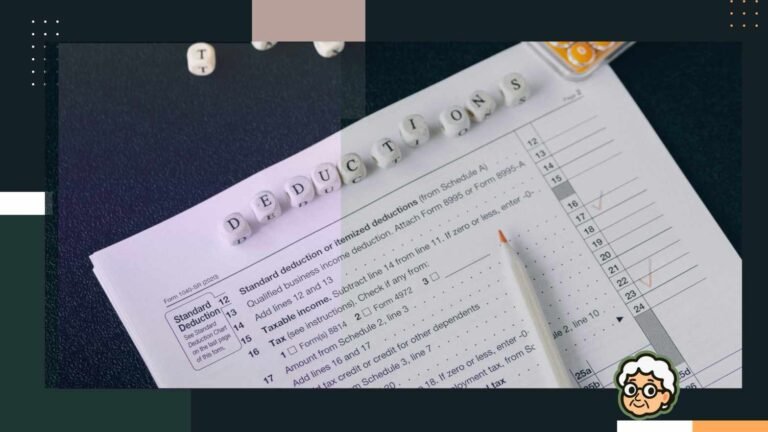
Step 6: Complete the Tax Filings
Tax issues can complicate an otherwise straightforward estate, so deal with them early rather than leaving everything until the closing date.
You may need to pay income taxes, estate taxes, or inheritance taxes, depending on the circumstances and the state involved.
Step 7: File the Petition to Close the Estate
Once the required administration tasks are complete, you can prepare the closing petition or statement.
It is called a Petition for Final Distribution, a Petition for Termination of Estate, or another name.
The document explains what you’ve done, identifies the assets that remain, addresses creditor claims and expenses, and requests authority to distribute the remaining property.
| Probate Type | When It Applies | Documents Needed | Main Benefit |
|---|---|---|---|
| Independent administration | When the estate qualifies for limited court supervision. |
1. Closing statement or petition
2. Required creditor notices
3. Distribution records
4. Accounting waivers, if permitted
|
Fewer court approvals and potentially fewer hearings. |
| Small-estate procedure | When the estate meets state eligibility limits. |
1. Small-estate affidavit
2. List of heirs
3. List of assets and debts
4. Supporting documents required by law
|
May avoid full probate and appointment of a personal representative. |
| Ancillary probate | When the deceased owned probate property in another state. |
1. Local probate petition
2. Will, if any
3. Certified documents from the main probate
4. Local property-transfer documents
|
Allows property in another state to be transferred legally. |
Step 8: Attend the hearing and Obtain the Final Order
If your state requires a court hearing, the court will review the closing petition and any supporting documents.
At the hearing, the judge may consider the final accounting, creditor claims, proposed distributions, and any objections raised by beneficiaries or other interested parties.
If the court approves the petition, it will issue an order of final distribution or another closing order.
The order authorizes the distributions and may formally discharge the personal representative.
Step 9: Distribute the Assets and Finish the Administration
Once you have the required approval or authority, carry out the final distributions.
Transfer money to the beneficiaries, execute and record deeds when necessary, and complete any remaining title transfers.
Next, close estate accounts after all outstanding payments and distributions have been handled.
Obtain signed receipts or acknowledgments when required or appropriate. These documents help establish that beneficiaries received their shares.
You should also retain the estate’s financial records, tax filings, notices, receipts, and court orders. Even after the estate is closed, questions may arise about a payment, a tax return, or an asset that was discovered later.
Once all required steps are complete, your role as personal representative generally ends here.
How Long Does It Take to Close an Estate?
| Stage | Simple Estate | Complex / Contested Estate |
|---|---|---|
| 1. Open probate | 2–4 weeks | 1–3+ months |
| 2. List assets and notify creditors | 1–2 months | 2–3+ months |
| 3. Wait for creditor claims | About 3–4 months | 6+ months |
| 4. Pay debts and taxes | 1–2 months | 3–6+ months |
| 5. Prepare final accounts | About 1 month | 2–3+ months |
| 6. Get court approval | About 1 month | 2+ months |
| 7. Transfer assets to heirs | 2–4 weeks | 1–2+ months |
These are planning estimates, not statutory deadlines. Actual timing depends on state law, the court’s workload, the estate’s assets, and whether anyone disputes the administration.
What Can Delay an Estate Closing?
Several issues can push the closing date back.
- A will contest or family dispute. If someone challenges the will, objects to the accounting, or disputes their share of the estate, the court may need to resolve the issue before the case can close.
- Creditor claims. The personal representative must allow the applicable claims period to run and resolve valid claims. Disputed debts can take additional time.
- Tax filings and reviews. The estate may need to file several returns or deal with questions from tax authorities.
- Complicated property. Real estate, business interests, investments, and assets located in multiple states may take longer to value, sell, or transfer.
- Missing assets or beneficiaries. Finding an overlooked bank account or locating a beneficiary can delay the final accounting and distribution.
- Court backlogs. Even when everyone agrees, a required hearing or court order may take time to obtain.
If all the beneficiaries cooperate, the estate has few complications, and the state permits a relatively streamlined procedure, the process may move faster.
But the creditor claims period and other mandatory requirements can establish a minimum amount of time you simply cannot skip.

What If an Executor Mishandles an Estate?
Learn the warning signs of executor misconduct, what beneficiaries can do, and when court action may be an option.
Can You Close an Estate Without a Lawyer?
Yes, you can close an estate without a lawyer in some states, particularly when the estate is small and uncontested.
But it’s not for all states. So, please check your local probate court rules before filing documents or distributing assets.
Note:
If you miss a required notice, pay creditors in the wrong order, file an incorrect accounting, or distribute assets before addressing taxes, you could face objections, litigation, or personal liability.
But that doesn’t mean every executor needs to hire a lawyer for the entire process. It means you need to understand the risks before deciding to do everything yourself.
When Handling Probate Yourself May Make Sense
- The estate is simple, with easily identifiable assets.
- Beneficiaries agree on the will and asset distribution.
- Court procedures and paperwork are straightforward.
- The estate qualifies for a small-estate procedure.
- There are no major debts or tax complications.
When Should You Hire a Probate Lawyer?
- The will is contested or beneficiaries dispute inheritance.
- The estate has significant debts or creditor claims.
- The deceased owned real estate in multiple states.
- The estate includes a business or complex investments.
- Estate or income tax issues are complicated.
- Bankruptcy or legal disputes are involved.
- You are unsure about your responsibilities or potential liability.
- State law requires an attorney for specific probate proceedings
What Happens After an Estate Is Closed?
Once the required closing steps are complete, the beneficiaries receive the property they’re entitled to, and the personal representative’s authority generally ends.
| Situation | Explanation |
|---|---|
| Everything is finished | The case stays closed. |
| New assets are found | The court may allow the estate to be reopened. |
| Someone challenges the inheritance | A legal challenge may be possible, depending on deadlines and state law. |
| Taxes or debts remain | They may still need to be resolved. |
| Records are needed | Keep copies of court papers, tax filings, and distribution records. |
So, technically, after you close an estate, it is the end of the ordinary administration process, but not a guarantee that no future issue can arise.
Closing an estate takes time, and the paperwork is quite a handful haha. You need to identify the assets, notify creditors, pay valid debts and taxes, prepare the final accounting, and follow the procedure your state requires for distributing the remaining property.

How Much Does an Estate Planning Lawyer Cost?
Estate planning fees can vary depending on your needs and the complexity of your wishes. Compare common pricing methods, typical services, and questions to ask before hiring a lawyer.
References:




One Comment