
Can I Buy Social Security Credits? How to Earn 40 Credits

U.S. Social Security retirement benefits generally require 40 credits, earned through covered work.
Workers who fall short may wonder whether they can pay to obtain the remaining credits.
Federal law does not allow workers to purchase credits through voluntary payments to Social Security.
Who Is Eligible for RSDI?
Find out who may qualify for Retirement, Survivors, and Disability Insurance benefits. Explore work-credit rules, disability requirements, family eligibility, and how RSDI differs from SSI.
Check RSDI Eligibility Rules
Can You Buy Credits to Increase Your Social Security Benefits?
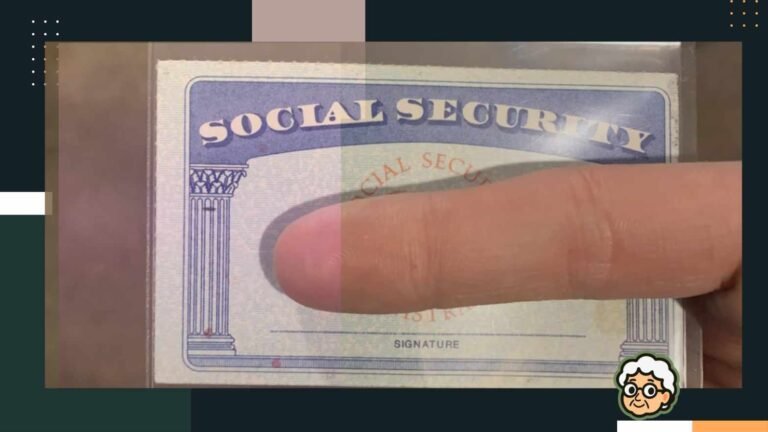
No, the Social Security Administration does not allow individuals to buy credits to qualify for benefits.
Credits must be earned through covered work, and extra credits beyond eligibility do not increase benefits.
Monthly payments are based on your earnings history.
Certain government service-deposit programs may let eligible employees receive credit for past service, but these are specific exceptions and not a way to purchase extra credits.
Spousal and survivor benefits may also provide eligibility through another worker’s record.
Do You Have to Report Buying a Car to SSI?
Learn when you need to tell Social Security about a car purchase, how the one-vehicle exclusion works, and when a second vehicle could affect your SSI benefits.
Check SSI Car Rules
How Do You Earn Social Security Credits?
You earn up to four credits per calendar year based on your total covered earnings.
In 2026, one credit = $1,890 of earnings, so $7,560/year for four.
Every time you earn enough wages to meet the threshold, you get the credit.
| Work Type | How You Earn Credits | Notes |
|---|---|---|
| Regular job (W-2) | Earn wages covered by Social Security. | Usually automatic through payroll. |
| Self-employed | Earn net business income and pay Social Security tax. | Report income on Schedule SE. |
| Household work | Work as a nanny, housekeeper, or caregiver. | Special wage and reporting rules apply. |
| Farm work | Earn qualifying wages from agricultural work. | Special coverage thresholds apply. |
| Military service | Earn covered active-duty pay. | Some service from 1957–2001 qualifies for extra earnings credits. |
| Government job | Work in a position covered by Social Security. | Some government jobs are not covered. |
| Work abroad | Qualify under a U.S. international Social Security agreement. | Foreign credits may help establish eligibility; they do not automatically become U.S. credits. |
Social Security Credit Accumulation Timeline
In most years, people who work at least part-time can earn all four credits if they hit the wage threshold.
| Years Worked* | Total Credits | Progress |
|---|---|---|
| 1 year | 4 | 10% |
| 3 years | 12 | 30% |
| 5 years | 20 | 50% |
| 7 years | 28 | 70% |
| 9 years | 36 | 90% |
| 10 years | 40 | Eligible for retirement benefits |
How Many Social Security Credits Do You Need?
The number of Social Security credits you need depends on the type of benefit you want to receive.
| Benefit | Age or Situation | Credits Needed |
|---|---|---|
| Retirement | Most workers | 40 (about 10 years) |
| Disability (SSDI) | Under 24 | 6 credits in the previous 3 years |
| Ages 24–30 | About half the credits for the years between ages 21 and disability | |
| Ages 31–42 | Generally 20 credits, including recent work | |
| Ages 44–60 | 22–38 credits, depending on age | |
| Age 62 or older | Generally 40 credits | |
| Survivors’ benefits | Worker dies young | As few as 6 credits may qualify certain family members |
| Worker dies at an older age | Required credits increase with age, up to 40 |
Note: Credit requirements vary by benefit type, age, and work history; meeting the credit requirement does not guarantee eligibility for benefits.
Can You Earn Missing Credits Without a Traditional Job?
Yes, you can earn Social Security credits without a traditional salaried job, but you must have income from work covered by Social Security.
- Self-employment: Earn business or freelance income and pay applicable Social Security taxes.
- Part-time or gig work: Earn qualifying wages through covered employment.
- Household or farm work: Earn wages that meet Social Security coverage and reporting rules.
- Certain work abroad: Use eligible foreign work periods under applicable U.S. Social Security agreements.
What If You Don’t Have Enough Social Security Credits?
If you don’t yet have the 40 credits for retirement or sufficient for disability/survivor, you can consider:
- Earn More Credits: You can continue working to accumulate the needed credits. You can earn up to 4 credits/year; missing a few means one or two more years of work.
- Spousal Benefits: A spouse with few or no credits may still qualify for a spousal retirement benefit based on a working spouse’s record.
- Survivor Benefits: If your spouse dies, you may be eligible for survivor benefits even with few credits of your own.
- Supplemental Security Income (SSI): This is a needs-based federal program for disabled or elderly low-income individuals.
- Non-Covered Pensions and GPO/WEP: If you worked in employment not covered by SS, you may have a pension.
- Workarounds: Some people work part-time to quickly get needed credits. Even a short stint of employment can yield a credit.
If you are just shy of the required credits, I will recommend continuing to work until you hit the credit limit.
SSA allows you to continue accruing credits until you meet the minimum.
References:





2 Comments