
Is Asset Care a Real Debt Collector? Scam or Legit?

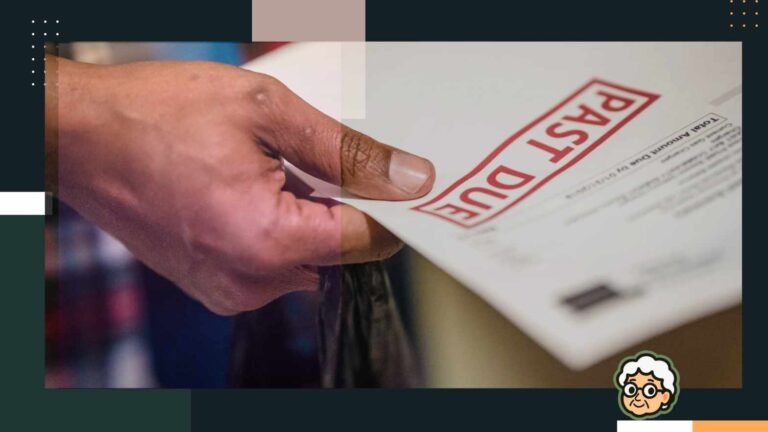
If AssetCare, LLC has contacted you about a medical bill, and if this is your first time hearing about them, you may be wondering
- Who they are?
- Whether the debt is legitimate, and
- What you should do next?

AssetCare, LLC is a receivables management company based in Sherman, Texas, dedicated exclusively to medical accounts.
It partners with hospitals and healthcare providers to resolve past-due patient balances, with a stated goal of reaching a resolution without added stress for patients.
- Medical accounts receivable recovery
- Insurance benefit review and rebilling within timely filing limits
- Charity care screening for eligible patients
- Flexible repayment options and payment plans
- Online payment portal, automated phone payments, and mail-in payments
- HSA payments accepted when applicable
AssetCare is a medical debt collection company and is focused on healthcare receivables, meaning unpaid balances that patients owe to hospitals, clinics, and other healthcare providers.
Medicare & Retirement
Retire at 62? Here’s When Medicare Starts
Medicare generally starts at 65. Find out what health coverage you may need between retirement and eligibility.
Check Your Coverage Options
Is AssetCare a Legitimate Debt Collector?
Yes, AssetCare is a legitimate debt collection business.
It has public business registrations, a physical business address, a website, and an identifiable presence in the debt collection industry.
But there is an important distinction between a legitimate company and a legitimate debt.
A real collection agency can contact someone about a balance that was calculated incorrectly, already paid, billed to the wrong person, or not properly covered by insurance.
Does AssetCare Collect Only Medical Debt?
So far, it seems they are exclusively focused on medical accounts.
These may include hospital bills, laboratory charges, ambulance services, and other healthcare-related balances.
You may see the original hospital or provider named in a letter from AssetCare. That is normal for a collection notice, but it is also one reason to check the details carefully.
For example, suppose you receive a letter about a hospital visit from several months ago. You remember that your insurer processed the claim, so you assume the matter is closed. AssetCare may be contacting you about a deductible, a denied service, a balance that insurance did not cover, or an account that was not updated correctly.
Why Is AssetCare Contacting You?
If AssetCare contacts you, usually it is because a healthcare provider believes you have an unpaid medical balance.
The account may have been transferred to the company after the provider’s own billing efforts did not resolve it.
But there are several reasons a medical bill might end up with a collection agency.
1. Your insurance may not have covered the full bill
You may owe a deductible, copayment, or coinsurance amount even if your insurer processed the claim.
Or the insurer may have denied a service or requested additional information before paying.
For example, suppose a hospital initially bills your insurer $2,000. Your insurer pays part of the claim and leaves a $350 patient responsibility. If the hospital’s billing system does not receive payment or the balance remains unresolved, the account may eventually be referred to a collection agency.
2. Missed a bill or payment arrangement
Medical bills can arrive months after treatment, and billing statements may go to an old address.
If you agreed to a payment plan but missed an installment, the provider may have referred the remaining balance for collection.
And, if you believe you never received the original bill, ask the provider for the billing history and confirm where the statements were sent.
3. Account may have been transferred or sold
Depending on the arrangement, AssetCare may be collecting for a provider or handling an account that has been sold or otherwise transferred.
If you are unsure who owns the debt, ask AssetCare to identify the current creditor and explain its authority to collect the account.
4. Billing mistake or mistaken identity
- Wrong phone number
- Insurance processing error
- Identity mix-up, or
- Possible identity theft could explain why you were contacted.
If the debt is unfamiliar, please do not immediately acknowledge it as yours or agree to a payment arrangement just to end the conversation.
First, find out what the account relates to and use the applicable dispute process.
How might AssetCare contact you?
The company may communicate through several channels:
| Method | Notes |
|---|---|
| A letter explaining the alleged debt, original provider, and your rights. | |
| Phone | A call to discuss your account or payment options. |
| Text or email | Messages about your account or payment reminders. Texts can be activated by sending START to 39546. |
| Social media | AssetCare states that it does not contact consumers through social media. |
A collection call might sound something like this:
That is an illustrative example, not a verified script used by AssetCare.
How to Verify an AssetCare Debt
Under the FDCPA, you generally have 30 days from receiving the validation notice to send a written dispute that triggers verification protections.
-
Step 1
Keep the collection notice
Save the first letter, email, or text you received. Record the date it arrived, the account number, the amount claimed, and the original provider. If AssetCare called first, note the date, time, and number, and keep any voicemails. -
Step 2
Check the original medical bill
Compare the notice with your own records: date of service, provider, amount charged, insurance payments, adjustments, and what you paid. If insurance was involved, review your EOB and contact the insurer if the figures don't match. -
Step 3
Send a written dispute
If the balance looks wrong or you don't recognize it, mail a dispute to the address on the notice. Keep a copy and proof of delivery. Certified mail with a return receipt is one good option. A sample letter is below. -
Step 4
Know what happens next
If AssetCare receives a qualifying written dispute within the 30-day period, it generally must stop collecting the disputed debt until it mails you verification. The FDCPA doesn't set a universal 30-day reply deadline, and silence doesn't automatically erase the debt. -
Step 5
Review any response carefully
Compare AssetCare's verification with your records. If the account was paid, ask the provider to confirm and correct its records. If insurance should have covered it, contact both. Still wrong? Explain the specific discrepancy in a follow-up dispute.
Sample AssetCare Debt Dispute Letter
[Your Address]
[Date]
AssetCare, LLC
[Address Listed on Your Collection Notice]
Re: Account ending [Last Four Digits]
To Whom It May Concern:
I am writing to dispute the debt referenced above and request verification under the Fair Debt Collection Practices Act, including 15 U.S.C. § 1692g, as applicable.
I do not acknowledge that I owe the alleged balance. Please provide information identifying the original creditor, the basis for the amount claimed, and an itemized accounting of the account. If applicable, please also identify the current creditor and explain your authority to collect the debt.
If this dispute is received within the applicable validation period, please cease collection of the disputed debt until you have mailed the verification required by law.
[If applicable: I dispute this account because it appears to have been paid, insurance-covered, incorrectly billed, or associated with someone else.]
Please communicate with me in writing regarding this dispute.
Sincerely,
[Your Name]
What to Do If You Dispute the Debt or Do Not Owe It
1. Already paid the bill
First, gather your receipt, bank statement, canceled check, or payment confirmation.
After that, send a copy to AssetCare and contact the original provider to confirm that the payment was applied to the correct account.
If the provider confirms that the balance was paid, ask it to update its records and notify AssetCare.
And if the debt appears on your credit report, dispute the inaccurate information with the credit bureaus as well.
2. Insurance should have covered the bill
Compare the collection amount with your EOB and the provider’s billing statement.
If the numbers do not match, contact the insurer and healthcare provider.
3. Debt is not yours
Tell AssetCare in writing that you do not recognize the account and request verification. Do not provide unnecessary sensitive information over an unsolicited call or text.
If you suspect identity theft, consider reporting it through the Federal Trade Commission’s IdentityTheft.gov service.
Does AssetCare Report Medical Debt to Credit Bureaus?
Yes, AssetCare reports medical debt to credit bureaus in accordance with applicable law and its agreements with healthcare providers.
So, a collection account may appear on your credit report, depending on the account and the applicable reporting rules.
But medical debt reporting has special considerations, and not every unpaid medical bill will appear.
AssetCare Debt Collection FAQs
AssetCare’s deadline depends on your state’s statute of limitations, which often ranges from three to six years. The deadline and whether a payment restarts it depend on state law.
Yes, but qualifying paid medical collections are generally removed from credit reports under current credit bureau policies.
Yes, qualifying medical collections paid in full are generally removed from credit reports.
Dispute the debt in writing and report the identity theft at IdentityTheft.gov.
AssetCare advertises flexible payment plans, and you can ask whether it will accept a settlement for less than the full balance.
Dispute the debt in writing and request verification of the amount and services involved.
Yes, you can send AssetCare a written request to stop contacting you, subject to limited exceptions under federal law.
You can file a complaint with the Consumer Financial Protection Bureau or your state attorney general’s consumer protection office.
Yes, especially if AssetCare sues you, threatens unlawful action, or violates debt collection laws.
References:





3 Comments